In today’s fast-paced digital world, businesses need smarter ways to manage customer relationships. The cloud-based CRM Salesforce based advantages explained reveal why thousands of companies trust this platform to drive growth, boost efficiency, and enhance customer satisfaction.



Cloud-based CRM Salesforce Based Advantages Explained: Revolutionizing Customer Engagement

Customer Relationship Management (CRM) has evolved from simple contact databases into powerful, intelligent systems that drive sales, marketing, and service operations. At the forefront of this transformation is Salesforce, the world’s leading cloud-based CRM platform. When we dive into the cloud-based CRM Salesforce based advantages explained, it becomes clear that its impact goes beyond automation—it reshapes how businesses interact with customers.
Salesforce operates entirely in the cloud, meaning users can access real-time data from any device, anywhere in the world. This flexibility is a game-changer for distributed teams, remote workers, and global enterprises alike. Unlike traditional on-premise CRM systems that require extensive hardware and IT support, Salesforce eliminates infrastructure costs and simplifies deployment.
According to Salesforce’s State of Sales Report, high-performing sales teams are 2.2x more likely to use AI-powered CRM tools. This highlights how cloud-based platforms like Salesforce are not just about storing data—they’re about turning data into actionable insights.
Cloud-based CRM Salesforce based advantages explained – Cloud-based CRM Salesforce based advantages explained menjadi aspek penting yang dibahas di sini.
Real-Time Data Access Across Devices
One of the most significant advantages of Salesforce’s cloud architecture is universal access. Whether an employee is using a desktop, tablet, or smartphone, they can log in securely and view up-to-date customer information instantly.
- Employees can update records during client meetings, ensuring accuracy.
- Sales reps in the field can check inventory, pricing, and order history on the go.
- Managers can monitor team performance through dashboards accessible from mobile apps.
This level of accessibility ensures that no opportunity slips through the cracks due to outdated or siloed information. It also supports hybrid work models, which have become standard post-pandemic.
Seamless Integration with Third-Party Tools
Salesforce doesn’t operate in isolation. Its robust API ecosystem allows seamless integration with email platforms (like Gmail and Outlook), marketing automation tools (such as Marketo and HubSpot), ERP systems (like SAP and Oracle), and productivity suites (including Slack and Microsoft Teams).
For example, integrating Salesforce with Slack enables teams to receive CRM notifications directly in chat channels, reducing the need to switch between apps. This interconnectedness boosts productivity and reduces friction in daily workflows.
Cloud-based CRM Salesforce based advantages explained – Cloud-based CRM Salesforce based advantages explained menjadi aspek penting yang dibahas di sini.
“The future of business is not about standalone applications—it’s about connected ecosystems.” — Marc Benioff, CEO of Salesforce
Scalability and Flexibility for Growing Businesses
As organizations grow, their CRM needs evolve. A startup may only require basic contact management, while an enterprise might need advanced analytics, multi-channel customer service, and AI-driven forecasting. The cloud-based CRM Salesforce based advantages explained include unmatched scalability that grows with your business.
Salesforce offers multiple editions—Essential, Professional, Enterprise, and Unlimited—each tailored to different levels of complexity and functionality. Companies can start small and upgrade as needed without overhauling their entire system.
Adaptable Licensing Models
Salesforce provides flexible licensing options that allow businesses to pay only for what they use. For instance:
- Sales Cloud licenses can be assigned to sales reps, managers, or executives based on role-specific features.
- Service Cloud licenses support customer service agents with case management and knowledge bases.
- Platform licenses enable developers to build custom apps on the Salesforce ecosystem.
This modularity prevents unnecessary spending and allows precise alignment between user roles and software capabilities.
Cloud-based CRM Salesforce based advantages explained – Cloud-based CRM Salesforce based advantages explained menjadi aspek penting yang dibahas di sini.
Global Deployment Without Infrastructure Overhaul
Expanding into new regions often requires setting up local servers, hiring IT staff, and ensuring compliance with regional data laws. With Salesforce, companies can deploy CRM systems globally within days, thanks to its multi-tenant cloud architecture.
Data centers are distributed across North America, Europe, Asia-Pacific, and other regions, ensuring low latency and compliance with regulations like GDPR and CCPA. This means a company headquartered in New York can serve customers in Tokyo with the same speed and security as local users.
Moreover, Salesforce supports over 40 languages and multiple currencies, making internationalization effortless. This is a critical advantage for businesses aiming to scale beyond domestic markets.
Enhanced Collaboration Across Departments
One of the hidden cloud-based CRM Salesforce based advantages explained is its ability to break down departmental silos. Traditionally, sales, marketing, and customer service operated with separate tools and goals. Salesforce unifies these functions under one platform, fostering collaboration and shared accountability.
Cloud-based CRM Salesforce based advantages explained – Cloud-based CRM Salesforce based advantages explained menjadi aspek penting yang dibahas di sini.
For example, marketing teams can track how leads generated from campaigns progress through the sales funnel. Sales reps can see which content a prospect engaged with before making a purchase. Service agents can access complete interaction histories, avoiding repetitive questions and improving resolution times.
Shared Customer 360° View
Salesforce’s Customer 360 feature creates a single, unified profile for every customer by aggregating data from all touchpoints—website visits, emails, calls, purchases, and social media interactions.
- Sales teams gain insight into customer pain points and buying behavior.
- Marketing can personalize campaigns based on lifecycle stages.
- Support agents resolve issues faster with full context.
This holistic view improves decision-making and ensures consistent messaging across departments. According to a Salesforce article on Customer 360, companies using unified profiles report a 36% increase in customer satisfaction scores.
Chatter: Internal Social Network for Teams
Built into Salesforce is Chatter, a collaboration tool similar to social media feeds but designed for enterprise use. Employees can post updates, share files, mention colleagues, and follow records (like accounts or opportunities) to stay informed.
Cloud-based CRM Salesforce based advantages explained – Cloud-based CRM Salesforce based advantages explained menjadi aspek penting yang dibahas di sini.
For example, when a major deal is updated, relevant team members are automatically notified. Managers can comment directly on opportunity records, providing guidance without switching to email or messaging apps. This transparency accelerates decision-making and keeps everyone aligned.
“Chatter has reduced our internal email volume by 40% and improved cross-team visibility.” — IT Director at a Mid-Sized Financial Services Firm
Advanced Analytics and AI-Powered Insights
Data is only valuable if it leads to action. The cloud-based CRM Salesforce based advantages explained shine brightest when it comes to transforming raw data into intelligent insights. Salesforce Einstein, the platform’s built-in AI engine, analyzes patterns, predicts outcomes, and recommends next steps.
Einstein Analytics goes beyond traditional reporting by offering predictive forecasting, sentiment analysis, and automated insights. For instance, it can predict which leads are most likely to convert, suggest optimal times to contact prospects, and identify at-risk customers before they churn.
Predictive Lead Scoring
Manual lead prioritization is time-consuming and often inaccurate. Salesforce Einstein automates this process by analyzing historical data such as email engagement, website activity, and past conversions.
Cloud-based CRM Salesforce based advantages explained – Cloud-based CRM Salesforce based advantages explained menjadi aspek penting yang dibahas di sini.
- Leads are scored based on likelihood to buy.
- Sales reps receive prioritized lists, focusing efforts on high-value prospects.
- Machine learning continuously refines scoring models as more data is collected.
A study by Nucleus Research found that companies using predictive analytics in CRM achieve a 20% higher conversion rate than those relying on manual methods.
Automated Reporting and Dashboards
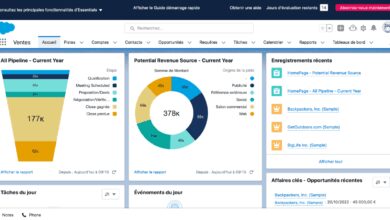
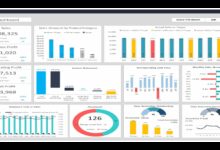
Salesforce allows users to create dynamic dashboards that update in real time. These visualizations help executives monitor KPIs like sales pipeline health, customer retention rates, and campaign ROI.
Reports can be scheduled and delivered automatically via email, ensuring stakeholders always have the latest information. Custom filters allow drill-down analysis by region, product line, or sales rep performance.
Additionally, Salesforce integrates with Tableau, a leading data visualization tool, enabling deeper exploration of complex datasets. This combination empowers data-driven decision-making at all levels of the organization.
Cloud-based CRM Salesforce based advantages explained – Cloud-based CRM Salesforce based advantages explained menjadi aspek penting yang dibahas di sini.
Cost Efficiency and Reduced IT Burden
While some assume cloud solutions are expensive, the long-term cost savings of Salesforce are substantial. The cloud-based CRM Salesforce based advantages explained include reduced capital expenditure, lower maintenance costs, and faster time-to-value compared to on-premise systems.
Traditional CRM deployments require purchasing servers, hiring dedicated IT staff, managing software updates, and handling backups. These responsibilities shift to Salesforce in a cloud model, freeing internal resources for strategic initiatives.
No Upfront Hardware Investment
With Salesforce, there’s no need to invest in physical infrastructure. All data is stored securely in Salesforce’s data centers, which are monitored 24/7 for uptime, security, and performance.
- Startups and SMEs benefit from low entry costs.
- Enterprises avoid the burden of maintaining legacy systems.
- Disaster recovery is built-in, with automatic data replication across multiple zones.
This pay-as-you-go model aligns expenses with actual usage, improving cash flow and budget predictability.
Cloud-based CRM Salesforce based advantages explained – Cloud-based CRM Salesforce based advantages explained menjadi aspek penting yang dibahas di sini.
Automatic Software Updates
Salesforce releases three major updates per year (Spring, Summer, Winter), packed with new features, security enhancements, and performance improvements. These updates are applied automatically, with minimal disruption to users.
Unlike on-premise systems that require manual patching and downtime, Salesforce ensures all customers are always on the latest version. This means businesses instantly gain access to innovations like voice-to-text note-taking, AI chatbots, and enhanced mobile functionality.
Furthermore, Salesforce provides release previews and sandbox environments so administrators can test changes before they go live, minimizing risk.
Superior Security and Compliance Standards
Security is a top concern for any cloud-based system. The cloud-based CRM Salesforce based advantages explained include enterprise-grade security protocols that often exceed what most companies can implement internally.
Cloud-based CRM Salesforce based advantages explained – Cloud-based CRM Salesforce based advantages explained menjadi aspek penting yang dibahas di sini.
Salesforce invests heavily in cybersecurity, with over $130 million spent annually on security and compliance. It employs a multi-layered defense strategy encompassing physical, network, application, and data-level protections.
Data Encryption and Identity Management
All data in Salesforce—both at rest and in transit—is encrypted using industry-standard protocols (TLS 1.2+ and AES-256). Even within the data center, access is strictly controlled through role-based permissions and multi-factor authentication (MFA).
- Administrators can define granular access levels (e.g., read-only, edit, delete).
- Single Sign-On (SSO) integration with identity providers like Okta and Azure AD enhances login security.
- Session policies can enforce automatic logout after periods of inactivity.
These measures ensure that sensitive customer data remains protected against unauthorized access, both internally and externally.
Compliance with Global Regulations
Salesforce is certified under numerous regulatory frameworks, including:
Cloud-based CRM Salesforce based advantages explained – Cloud-based CRM Salesforce based advantages explained menjadi aspek penting yang dibahas di sini.
- GDPR (General Data Protection Regulation) – Ensures EU citizen data privacy.
- CCPA (California Consumer Privacy Act) – Grants consumers rights over their personal data.
- ISO 27001 – International standard for information security management.
- SOC 1, SOC 2, SOC 3 – Audited controls for financial reporting and data security.
For businesses operating in regulated industries like healthcare (HIPAA readiness) or finance (FINRA compliance), Salesforce offers specialized configurations and documentation to support audit readiness.
“Salesforce’s security model is more robust than 90% of the enterprises we’ve assessed.” — Gartner Research on Cloud CRM Security
Customization and App Ecosystem (AppExchange)
No two businesses are alike, and Salesforce recognizes this through its extensive customization capabilities. The cloud-based CRM Salesforce based advantages explained include a powerful development platform and a vast marketplace of pre-built solutions.
Using Salesforce’s declarative tools (like Process Builder and Flow), non-technical users can automate workflows, create custom fields, and design page layouts without writing code. For more complex needs, developers can leverage Apex (a Java-like language), Visualforce, and Lightning Web Components to build tailored applications.
AppExchange: The CRM App Store
Salesforce AppExchange is the world’s largest marketplace for business apps, with over 5,000 solutions available. These apps extend Salesforce’s functionality in areas such as:
Cloud-based CRM Salesforce based advantages explained – Cloud-based CRM Salesforce based advantages explained menjadi aspek penting yang dibahas di sini.
- Document signing (e.g., DocuSign)
- Survey tools (e.g., SurveyMonkey)
- Telephony integration (e.g., Dialpad, Five9)
- Financial management (e.g., FinancialForce)
- Industry-specific solutions (e.g., Veeva for life sciences)
Most apps offer free trials and are vetted by Salesforce for security and performance. This ecosystem allows businesses to rapidly adopt new capabilities without lengthy development cycles.
Low-Code Development with Lightning Platform
Salesforce’s Lightning Platform enables rapid application development using drag-and-drop interfaces. Users can create custom dashboards, automate approval processes, and build responsive mobile apps visually.
For example, a logistics company might use Lightning to build a real-time shipment tracking module integrated with GPS data. A university could create a student success portal that tracks engagement and academic performance.
This low-code approach democratizes innovation, allowing business analysts and department heads to contribute to digital transformation without relying solely on IT.
Cloud-based CRM Salesforce based advantages explained – Cloud-based CRM Salesforce based advantages explained menjadi aspek penting yang dibahas di sini.
Improved Customer Satisfaction and Retention
Ultimately, the goal of any CRM is to improve customer relationships. The cloud-based CRM Salesforce based advantages explained culminate in superior customer experiences that drive loyalty and lifetime value.
Salesforce Service Cloud equips support teams with tools like AI-powered chatbots, omnichannel routing (email, phone, chat, social media), and a centralized knowledge base. Customers get faster resolutions, and agents spend less time searching for answers.
Omnichannel Support Capabilities
Modern customers expect to switch between channels seamlessly. Salesforce enables this through its omnichannel routing engine, which directs inquiries to the most appropriate agent based on skill, availability, and context.
- A customer who starts with a chatbot can be escalated to a live agent without repeating information.
- Service history is preserved across all interactions, ensuring continuity.
- AI suggests relevant knowledge articles to agents in real time.
This reduces average handling time by up to 30%, according to Salesforce customer case studies.
Cloud-based CRM Salesforce based advantages explained – Cloud-based CRM Salesforce based advantages explained menjadi aspek penting yang dibahas di sini.
Proactive Customer Success Management
Salesforce Health Cloud and Customer Success Platform allow organizations to move from reactive support to proactive relationship management. By monitoring usage patterns, renewal dates, and satisfaction scores, companies can intervene before issues arise.
For instance, a SaaS provider might detect declining product usage and trigger an outreach campaign from a customer success manager. This preemptive engagement can prevent churn and uncover upsell opportunities.
Additionally, Net Promoter Score (NPS) surveys can be automated within Salesforce, providing continuous feedback loops to improve offerings.
What is cloud-based CRM?
Cloud-based CRM Salesforce based advantages explained – Cloud-based CRM Salesforce based advantages explained menjadi aspek penting yang dibahas di sini.
A cloud-based CRM is a customer relationship management system hosted on remote servers and accessed via the internet. It allows businesses to manage customer data, sales pipelines, marketing campaigns, and service interactions in real time without needing on-site hardware.
Why choose Salesforce over other CRM platforms?
Salesforce leads the market due to its scalability, AI-powered insights (Einstein), extensive AppExchange ecosystem, strong security, and continuous innovation. It integrates seamlessly with thousands of apps and supports businesses of all sizes and industries.
Is Salesforce suitable for small businesses?
Yes. Salesforce offers the Essentials edition specifically designed for small businesses, providing core CRM functionalities at an affordable price. It scales easily as the business grows.
How secure is Salesforce?
Salesforce employs enterprise-grade security, including encryption, multi-factor authentication, and compliance with global standards like GDPR and ISO 27001. It undergoes regular third-party audits and invests heavily in cybersecurity.
Can Salesforce be customized without coding?
Yes. Salesforce provides low-code tools like Lightning App Builder, Process Builder, and Flow that allow users to customize pages, automate workflows, and build apps without writing code.
The cloud-based CRM Salesforce based advantages explained make a compelling case for adopting this platform as a strategic asset. From real-time collaboration and AI-driven insights to global scalability and robust security, Salesforce empowers organizations to build stronger customer relationships and drive sustainable growth. Whether you’re a startup or a multinational corporation, leveraging Salesforce’s cloud-native architecture can transform how you engage with customers, optimize operations, and stay ahead in a competitive marketplace.
Further Reading: