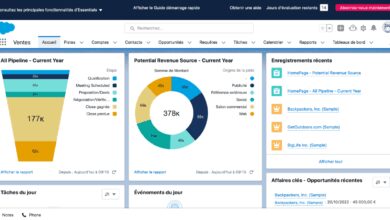
Real-time collaboration in CRM Salesforce based environments: Real-time Collaboration in CRM Salesforce: 7 Powerful Benefits

In today’s fast-paced business world, real-time collaboration in CRM Salesforce based environments is no longer a luxury—it’s a necessity. Teams across departments need instant access to customer data, seamless communication, and synchronized workflows to stay ahead. This article dives deep into how Salesforce empowers organizations with real-time collaboration, boosting productivity, accuracy, and customer satisfaction.




Understanding Real-time Collaboration in CRM Salesforce Based Environments

Real-time collaboration in CRM Salesforce based environments refers to the ability of multiple users—sales, service, marketing, and support teams—to access, update, and share customer information instantly within the Salesforce platform. Unlike traditional CRM systems that rely on batch updates or manual data entry, Salesforce enables live synchronization across devices, locations, and departments.
What Sets Salesforce Apart for Real-Time Collaboration?
Salesforce has built its ecosystem around cloud-native architecture, ensuring that every action taken by a user is immediately reflected across the organization. Whether a sales rep updates a lead status or a support agent logs a case note, these changes are visible in real time to all authorized team members.
- Cloud-first design ensures instant data sync
- Multi-user concurrency without data conflicts
- Global accessibility via web and mobile apps
This level of responsiveness is critical in dynamic sales cycles and customer service scenarios where delays can cost deals or damage relationships. According to Salesforce’s State of Sales Report, 75% of high-performing sales teams use real-time data to guide their decisions.
The Role of Unified Data in Real-Time Collaboration
One of the foundational pillars of real-time collaboration in CRM Salesforce based environments is a single source of truth. All customer interactions—emails, calls, meetings, social media engagements, and purchase history—are consolidated into one profile.
“When everyone sees the same data at the same time, miscommunication drops and trust increases.” — Salesforce Customer Success Manager
This unified view eliminates data silos and prevents redundant outreach. For example, if a marketing team sends a campaign email, the sales team can immediately see the engagement level (opened, clicked, replied) and act accordingly—without waiting for reports or manual updates.
Key Features Enabling Real-Time Collaboration in Salesforce
Salesforce offers a robust suite of tools designed specifically to enhance real-time collaboration in CRM Salesforce based environments. These features are not just add-ons—they are deeply integrated into the core platform, ensuring consistency and usability across all user roles.
Real-time collaboration in CRM Salesforce based environments – Real-time collaboration in CRM Salesforce based environments menjadi aspek penting yang dibahas di sini.
Chatter: The Social Backbone of Salesforce
Chatter is Salesforce’s internal social network that allows users to communicate, share files, mention colleagues, and follow records—all within the CRM. It functions much like a hybrid of Slack and LinkedIn but is fully embedded in the Salesforce interface.
- Users can comment on leads, opportunities, or cases directly
- File sharing with version control and access permissions
- @mentions and group feeds keep conversations contextual
For instance, when a customer escalates an issue, a support agent can create a Chatter post on the case, tag the product manager and engineering lead, and attach logs—all without leaving the record. Everyone involved gets notified instantly and can respond in real time.
Learn more about Chatter’s capabilities in Salesforce’s official Chatter Help Guide.
Live Agent and Messaging for Instant Customer Engagement
Real-time collaboration isn’t limited to internal teams. Salesforce also enables real-time interaction between agents and customers through Live Agent and Digital Engagement tools.
- Web-to-chat functionality connects visitors to agents instantly
- Co-browsing allows agents to guide customers through forms or purchases
- Omni-channel routing ensures the right agent receives the message
This transforms customer service from reactive to proactive. A visitor browsing a pricing page can trigger a chat invite based on behavior, and the agent can pull up their full history—including past calls and emails—before the conversation even begins.
Process Automation with Flow and Approval Processes
Automation plays a crucial role in enabling real-time collaboration in CRM Salesforce based environments. Manual handoffs between departments often create bottlenecks. Salesforce Flow automates these transitions, ensuring that when one step is completed, the next person in line is immediately notified.
- Approval processes trigger instant notifications
- Screen flows guide users through complex tasks in real time
- Autolaunched flows respond to data changes instantly
For example, when a sales rep submits a discount request above a certain threshold, an approval flow automatically routes it to the manager. The manager receives a Chatter notification and can approve or reject it from their mobile device—no email chains or delays.
Real-time collaboration in CRM Salesforce based environments – Real-time collaboration in CRM Salesforce based environments menjadi aspek penting yang dibahas di sini.
How Real-Time Collaboration Improves Sales Team Performance
Sales teams thrive on speed and accuracy. In competitive markets, the first team to respond often wins the deal. Real-time collaboration in CRM Salesforce based environments gives sales organizations a decisive edge by eliminating information lag and improving team coordination.
Faster Response Times and Deal Velocity
Studies show that responding to a lead within five minutes increases the chance of qualification by 8x. With real-time collaboration, Salesforce alerts sales reps the moment a lead is generated—whether from a website form, webinar registration, or social media inquiry.
- Automated lead assignment ensures no prospect falls through the cracks
- Chatter alerts notify team members of urgent follow-ups
- Shared calendars and activity logs prevent duplicate outreach
Teams using real-time collaboration report up to 30% faster deal closure rates, according to a 2023 Salesforce Research report.
Enhanced Team Selling and Account Coordination
Large enterprise deals often involve multiple stakeholders—account executives, solution engineers, legal, and finance. Real-time collaboration in CRM Salesforce based environments allows these teams to work together seamlessly on a single opportunity record.
“We closed a $2M deal in six weeks because the entire team was aligned from day one—thanks to shared dashboards and live updates.” — Enterprise Sales Director, Tech Company
Features like Team Selling in Salesforce allow reps to designate team members on an opportunity, assign roles, and track contributions. All communications, notes, and documents are stored in one place, accessible to everyone with permission.
Real-Time Forecasting and Pipeline Visibility
Managers no longer need to wait for weekly reports to understand pipeline health. With real-time collaboration, Salesforce dashboards update instantly as deals progress.
- Drag-and-drop forecasting tools reflect live changes
- AI-powered insights predict deal risks and next steps
- Role-based views ensure data relevance
This transparency allows sales leaders to intervene early when deals stall, reassign resources, or adjust strategies based on real-time data rather than outdated spreadsheets.
Real-time collaboration in CRM Salesforce based environments – Real-time collaboration in CRM Salesforce based environments menjadi aspek penting yang dibahas di sini.
Boosting Customer Service with Real-Time Collaboration
Customer service is another area where real-time collaboration in CRM Salesforce based environments delivers transformative results. Today’s customers expect immediate, personalized support across channels—and Salesforce makes this possible.
Unified Case Management Across Channels
Salesforce Service Cloud consolidates customer inquiries from email, phone, chat, social media, and self-service portals into a single case record. When a customer switches channels, the agent can see the full history without asking the customer to repeat themselves.
- Omni-channel routing directs cases to the most available and skilled agent
- Real-time status updates keep customers informed
- Internal collaboration via Chatter speeds up resolution
For example, if a customer tweets a complaint, the social team logs it as a case. A support agent picks it up via chat, resolves the issue, and the customer receives an automated follow-up survey—all tracked in real time.
Knowledge Sharing and Internal Expertise Routing
Not every agent knows the answer to every question. Real-time collaboration enables quick escalation and knowledge sharing.
- Agents can search internal knowledge bases instantly
- Expertise routing connects agents to subject matter experts
- Chatter groups serve as real-time help desks
Salesforce’s AI-powered tool, Einstein Bots, can even suggest relevant knowledge articles as the agent types, reducing resolution time by up to 40%.
Proactive Support with Predictive Analytics
Real-time collaboration isn’t just about reacting—it’s about anticipating needs. Salesforce Einstein Analytics monitors customer behavior and flags potential issues before they escalate.
- Alerts are sent to agents when a customer shows signs of churn
- Automated workflows trigger preventive outreach
- Service teams collaborate in real time to address risks
One telecommunications company reduced customer churn by 22% after implementing real-time alerts and collaborative response protocols in Salesforce.
Real-time collaboration in CRM Salesforce based environments – Real-time collaboration in CRM Salesforce based environments menjadi aspek penting yang dibahas di sini.
Integrating Third-Party Tools for Enhanced Real-Time Collaboration
While Salesforce offers powerful native tools, real-time collaboration in CRM Salesforce based environments can be further enhanced by integrating third-party applications. These integrations extend functionality without compromising data integrity or security.
Slack and Salesforce: A Game-Changing Integration
The acquisition of Slack by Salesforce marked a turning point in real-time collaboration. Slack is now deeply integrated into the Salesforce ecosystem, allowing teams to collaborate outside the CRM while staying connected to customer data.
- Slack alerts notify users of record changes in Salesforce
- Users can update Salesforce records directly from Slack messages
- Workflow Builder connects Slack actions to Salesforce automations
For example, a sales manager can receive a Slack notification when a high-value opportunity is updated, comment on the deal, and even approve a proposal—all without opening Salesforce.
Explore the full integration guide at Slack + Salesforce Integration.
Microsoft Teams and Google Workspace Integration
Many organizations use Microsoft Teams or Google Workspace as their primary communication platforms. Salesforce offers connectors that enable seamless collaboration between these tools and the CRM.
- Embed Salesforce records in Teams or Google Chat
- Schedule meetings with one click using calendar sync
- Attach Salesforce files to emails or chats without downloading
These integrations ensure that collaboration happens where teams already work, reducing friction and increasing adoption.
APIs and Custom Integrations for Real-Time Sync
For advanced use cases, Salesforce’s robust API ecosystem allows developers to build custom integrations with ERP, marketing automation, or legacy systems.
Real-time collaboration in CRM Salesforce based environments – Real-time collaboration in CRM Salesforce based environments menjadi aspek penting yang dibahas di sini.
- REST and SOAP APIs enable real-time data exchange
- Platform Events allow asynchronous communication between systems
- MuleSoft (a Salesforce company) provides enterprise-grade integration
A manufacturing company, for instance, integrated their inventory system with Salesforce so that sales reps could see real-time stock levels when quoting customers—eliminating overselling and improving accuracy.
Security and Governance in Real-Time Collaboration
With great collaboration comes great responsibility. Real-time collaboration in CRM Salesforce based environments must be balanced with strong security and governance to protect sensitive customer data and ensure compliance.
Data Privacy and Access Controls
Salesforce provides granular permission settings to control who can view, edit, or share data.
- Role hierarchies define data visibility
- Sharing rules allow selective access
- Field-level security restricts sensitive information
For example, a junior sales rep might see basic contact details but not pricing agreements, which are restricted to managers. These controls ensure that real-time collaboration doesn’t compromise data security.
Audit Trails and Activity Monitoring
Every change in Salesforce is logged. Admins can track who updated a record, when, and from which device.
- Setup Audit Trail captures configuration changes
- Field History Tracking shows data modifications
- Login history detects suspicious access
This transparency is essential for compliance with regulations like GDPR, HIPAA, or CCPA.
Compliance and Data Residency
Salesforce operates data centers worldwide, allowing organizations to store data in specific regions to meet local laws.
Real-time collaboration in CRM Salesforce based environments – Real-time collaboration in CRM Salesforce based environments menjadi aspek penting yang dibahas di sini.
- Data residency options available in the EU, APAC, and North America
- Encryption at rest and in transit
- Regular third-party audits (SOC 1, SOC 2, ISO 27001)
These features give enterprises confidence that real-time collaboration won’t expose them to regulatory risks.
Measuring the Impact of Real-Time Collaboration
Investing in real-time collaboration in CRM Salesforce based environments requires measurable returns. Organizations should track key performance indicators (KPIs) to assess effectiveness and drive continuous improvement.
Key Metrics to Track
To evaluate the success of real-time collaboration, consider the following KPIs:
- First response time to leads or cases
- Average handle time for support tickets
- Deal closure rate and sales cycle length
- Customer satisfaction (CSAT) and Net Promoter Score (NPS)
- Internal collaboration frequency (e.g., Chatter posts, file shares)
By comparing these metrics before and after implementing real-time collaboration tools, businesses can quantify ROI and identify areas for optimization.
Using Salesforce Dashboards for Real-Time Insights
Salesforce dashboards provide visual, real-time insights into collaboration performance.
- Customizable widgets display live data
- Drill-down capabilities reveal root causes
- Subscription alerts notify stakeholders of threshold breaches
A marketing team, for instance, can monitor how quickly sales follows up on MQLs (Marketing Qualified Leads) and adjust campaigns based on real-time feedback.
Continuous Improvement Through Feedback Loops
Real-time collaboration should not be a one-time setup. Regular feedback from users helps refine processes.
Real-time collaboration in CRM Salesforce based environments – Real-time collaboration in CRM Salesforce based environments menjadi aspek penting yang dibahas di sini.
- Conduct quarterly user surveys
- Host collaboration workshops
- Use Salesforce Ideas to crowdsource improvements
One financial services firm improved user adoption by 60% after simplifying Chatter workflows based on employee feedback.
Future Trends in Real-Time Collaboration for Salesforce
The landscape of real-time collaboration in CRM Salesforce based environments is evolving rapidly. Emerging technologies are set to redefine how teams interact with data and each other.
AI-Powered Collaboration with Einstein GPT
Salesforce Einstein GPT brings generative AI into the collaboration workflow. It can draft emails, summarize case histories, and suggest next steps—all in real time.
- Automated meeting summaries after calls
- Smart replies in Chatter and email
- Predictive collaboration suggestions (e.g., “Tag the product team”)
This reduces manual effort and ensures that insights are captured instantly, even during high-volume periods.
Augmented Reality and Co-Piloting
Future versions of Salesforce may integrate AR tools that allow remote experts to guide field technicians in real time using smart glasses or mobile devices.
- Visual annotations overlaid on equipment
- Live video collaboration with backend teams
- Automatic logging of service actions in Salesforce
This could revolutionize industries like manufacturing, healthcare, and utilities.
Blockchain for Secure, Transparent Collaboration
While still in early stages, blockchain integration could enhance trust in real-time collaboration by providing immutable records of customer interactions and approvals.
Real-time collaboration in CRM Salesforce based environments – Real-time collaboration in CRM Salesforce based environments menjadi aspek penting yang dibahas di sini.
- Smart contracts trigger actions upon agreement
- Transparent audit trails for compliance
- Decentralized identity verification
Salesforce has already filed patents in this area, signaling long-term interest.
What is real-time collaboration in CRM Salesforce based environments?
Real-time collaboration in CRM Salesforce based environments refers to the ability of users across departments to access, update, and share customer data instantly within the Salesforce platform, enabling faster decision-making, improved coordination, and enhanced customer experiences.
How does Chatter improve team collaboration in Salesforce?
Chatter acts as an internal social network within Salesforce, allowing users to comment on records, share files, mention colleagues, and follow updates—all in real time. It reduces email clutter and keeps conversations contextually linked to customer data.
Can Salesforce integrate with external collaboration tools like Slack?
Yes, Salesforce integrates seamlessly with Slack, Microsoft Teams, and Google Workspace. The Slack integration, in particular, allows users to receive Salesforce alerts, update records, and trigger workflows directly from Slack channels.
Real-time collaboration in CRM Salesforce based environments – Real-time collaboration in CRM Salesforce based environments menjadi aspek penting yang dibahas di sini.
Is real-time collaboration in Salesforce secure?
Yes, Salesforce provides robust security features including role-based access control, field-level security, audit trails, and encryption. These ensure that real-time collaboration happens securely and in compliance with global data protection regulations.
What are the business benefits of real-time collaboration in Salesforce?
Key benefits include faster response times, improved sales productivity, higher customer satisfaction, reduced operational costs, and better cross-functional alignment. Organizations report up to 30% improvement in deal velocity and service resolution times.
Real-time collaboration in CRM Salesforce based environments is transforming how businesses engage with customers and empower their teams. From Chatter and Slack integrations to AI-driven insights and secure data sharing, Salesforce provides a comprehensive ecosystem for instant, intelligent collaboration. By leveraging these tools, organizations can break down silos, accelerate workflows, and deliver superior customer experiences. As technology evolves, the future of collaboration will become even more predictive, immersive, and seamless—positioning Salesforce at the forefront of innovation.
Further Reading: