Navigating the sales tax in New York can feel like cracking a financial code. From city streets to suburban malls, understanding how much you’re paying—and why—is crucial for consumers and businesses alike. Let’s break it down with clarity and confidence.
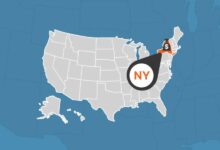
Sales Tax in New York: An Overview

The sales tax in New York is more than just a percentage tacked onto your receipt—it’s a complex system shaped by state policies, local jurisdictions, and economic needs. Unlike many states that maintain a flat rate, New York’s sales tax varies depending on where you are shopping, what you’re buying, and who you are.
What Is Sales Tax?
Sales tax is a consumption tax imposed by the government on the sale of goods and services. In New York, this tax is collected at the point of sale and remitted to the state’s Department of Taxation and Finance.
- It applies to most tangible personal property.
- It extends to select services deemed taxable under state law.
- The tax is generally paid by the consumer but collected and reported by the seller.
“Sales tax is one of the most visible forms of taxation because it hits consumers directly at the checkout counter.” — Tax Policy Center
How New York’s Sales Tax System Works
New York operates under a combined sales tax structure, meaning the total rate you pay includes both state and local components. The base state rate is 4%, but local municipalities add their own surcharges, pushing the effective rate much higher in certain areas.
- State rate: 4%
- Metropolitan Commuter Transportation District (MCTD) rate: 0.375% (applies in certain counties)
- Local option rates: Vary by county and city
For example, in New York City, the total sales tax rate reaches 8.875%—a combination of the 4% state rate, 4.5% local rate, and 0.375% MCTD surcharge. This layered approach means two neighboring towns might have different total rates.
Who Collects and Enforces the Sales Tax?
The New York State Department of Taxation and Finance is responsible for administering the sales tax. This includes setting rules, issuing permits, auditing businesses, and collecting revenue.
- Businesses must register for a Certificate of Authority to collect sales tax.
- They are required to file regular returns (monthly, quarterly, or annually).
- Failure to comply can result in penalties, interest, and even criminal charges in extreme cases.
For more information on registration and compliance, visit the official New York State Department of Taxation and Finance website.
Sales Tax in New York City: The Highest Rates in the State
When people think of sales tax in New York, they often picture Manhattan storefronts with price tags ending in .875. That’s because New York City has the highest combined sales tax rate in the state: 8.875%. This rate affects millions of residents and tourists every year.
sales tax in new york – Sales tax in new york menjadi aspek penting yang dibahas di sini.
Breakdown of NYC’s Sales Tax Rate
The 8.875% rate in New York City isn’t arbitrary—it’s a sum of several distinct components:
- State sales tax: 4%
- NYC local sales tax: 4.5%
- MCTD surcharge: 0.375% (applies in Bronx, Kings, New York, Queens, and Richmond counties)
This combination makes NYC one of the most expensive places in the U.S. for retail purchases when it comes to tax burden.
Impact on Consumers and Retailers
High sales tax rates influence consumer behavior. Some shoppers cross borough lines or state borders to make big-ticket purchases in lower-tax areas. Others delay non-essential spending, especially on items like electronics or furniture.
- Price sensitivity increases with tax visibility.
- Retailers may absorb some costs during promotions to remain competitive.
- E-commerce has changed dynamics, as online sellers must now also collect tax due to the South Dakota v. Wayfair Supreme Court decision.
For businesses, collecting and remitting the correct amount is critical. A single error in tax calculation can lead to audits and fines.
Tourism and Sales Tax Revenue
Tourists play a major role in NYC’s sales tax revenue. With over 60 million visitors annually, non-residents contribute significantly to the city’s coffers through shopping, dining, and entertainment.
- Tourist-heavy areas like Times Square see massive sales tax inflows.
- Hotels and short-term rentals are subject to additional occupancy taxes.
- The city leverages this revenue for infrastructure, public safety, and cultural programs.
According to the NYC Independent Budget Office, sales tax revenue from tourism helps fund nearly 10% of the city’s annual budget.
Local Variations: Sales Tax in New York Outside NYC
While New York City grabs headlines, the rest of the state has its own patchwork of sales tax rates. From Buffalo to Albany, rates differ based on county, city, and special districts.
Upstate New York Sales Tax Rates
In upstate regions, the total sales tax rate typically ranges from 7% to 8.75%. For instance:
sales tax in new york – Sales tax in new york menjadi aspek penting yang dibahas di sini.
- Albany: 8%
- Buffalo: 8.75%
- Rochester: 8.75%
- Syracuse: 8.75%
These rates include the 4% state tax, local add-ons, and in some cases, the MCTD surcharge. The variation reflects differing local needs and fiscal policies.
Long Island and Suburban Areas
Nassau and Suffolk counties on Long Island also have elevated rates. Both charge a total of 8.625%, just below NYC’s peak.
- Nassau County: 8.625%
- Suffolk County: 8.625%
- Westchester County: 8.375%
These suburban areas benefit from proximity to NYC but maintain independent tax structures. Their rates fund schools, transportation, and emergency services.
Rural Counties and Lower Rates
In contrast, rural counties like Hamilton or Essex have lower total rates—closer to 7% or 7.25%. These areas rely less on sales tax and more on property and state aid for revenue.
- Hamilton County: 7%
- Essex County: 7.25%
- Putnam County: 8.375%
The disparity highlights how geography and population density shape tax policy across New York State.
What Items Are Taxable Under Sales Tax in New York?
Not everything is subject to sales tax in New York. The state maintains a detailed list of taxable and exempt items, which can surprise both consumers and business owners.
Taxable Goods and Services
Most tangible personal property sold at retail is taxable. This includes:
- Clothing and footwear (with exceptions, discussed below)
- Electronics (phones, laptops, TVs)
- Furniture and home appliances
- Prepared food and restaurant meals
- Rental of tangible property (e.g., car rentals)
Additionally, certain services are taxable, such as:
sales tax in new york – Sales tax in new york menjadi aspek penting yang dibahas di sini.
- Repair and maintenance services
- Installation services
- Photocopying and data processing
For a full list, refer to the New York State Sales Tax Guide.
Exemptions and Reduced Rates
New York offers numerous exemptions to ease the tax burden on essentials and specific groups:
- Clothing and footwear under $110: Exempt from state and local sales tax (a major relief for families).
- Prescription medications: Fully exempt.
- Most food for home consumption: Exempt from state tax but may be subject to local taxes in some jurisdictions.
- Items for people with disabilities: Certain adaptive equipment is exempt.
- Resale items: Goods purchased for resale are exempt if proper documentation is provided.
These exemptions aim to make the tax system more equitable, though they add complexity to compliance.
Recent Changes and Emerging Trends
In recent years, New York has updated its tax policies to reflect changing consumer habits:
- E-commerce taxation: Following the Wayfair decision, out-of-state sellers must now collect sales tax if they meet economic nexus thresholds (over $500,000 in sales or 100 transactions annually).
- Digital goods: Streaming services, digital books, and software downloads are now taxable.
- Amazon and marketplace facilitators: Platforms like Amazon are required to collect and remit tax on third-party sales.
These changes ensure that brick-and-mortar and online retailers compete on a level playing field.
Sales Tax in New York for Businesses: Compliance and Reporting
For businesses, understanding and complying with sales tax in New York is not optional—it’s a legal obligation. Failure to do so can result in severe financial and legal consequences.
Registering for a Sales Tax Certificate
Any business selling taxable goods or services in New York must register with the Department of Taxation and Finance and obtain a Certificate of Authority.
- Registration can be done online via the NY Tax Online Services.
- There is no fee to register.
- Businesses must provide details about ownership, location, and expected sales volume.
Once registered, businesses receive a sales tax account number and instructions for filing returns.
sales tax in new york – Sales tax in new york menjadi aspek penting yang dibahas di sini.
Filing and Remitting Sales Tax
Businesses must file sales tax returns periodically—monthly, quarterly, or annually—based on their sales volume.
- High-volume sellers file monthly.
- Medium-volume sellers file quarterly.
- Low-volume sellers may file annually.
Returns are submitted electronically, and payments must be made by the due date (usually the 20th of the month following the reporting period).
- Late filings incur penalties: 5% of unpaid tax, plus additional percentages for longer delays.
- Interest is charged on overdue amounts at a rate of 12% per year.
- Repeated non-compliance can lead to suspension of the Certificate of Authority.
Audits and Enforcement
The New York State Department of Taxation and Finance conducts regular audits to ensure compliance.
- Audits can be triggered by late filings, discrepancies, or random selection.
- Businesses must provide sales records, invoices, and exemption certificates.
- If underpayment is found, the business must pay back taxes, interest, and penalties.
Proactive record-keeping and the use of certified tax software can reduce audit risk.
Special Districts and Additional Surcharges
Beyond the standard state and local rates, New York has special taxing districts that impose additional surcharges.
Metropolitan Commuter Transportation District (MCTD)
The MCTD adds a 0.375% surcharge in the following counties:
- New York (Manhattan)
- Kings (Brooklyn)
- Queens
- Bronx
- Richmond (Staten Island)
- Nassau
- Westchester
- Rockland
- Putnam
This surcharge funds mass transit systems like the MTA and helps maintain commuter rail lines and buses.
County and City Surcharges
Counties and cities can levy their own sales tax rates with approval from the state.
sales tax in new york – Sales tax in new york menjadi aspek penting yang dibahas di sini.
- These funds are used for local services: police, fire, education, and infrastructure.
- Rate changes require public hearings and legislative approval.
- Some counties, like Erie (Buffalo), have multiple layers of local tax.
For example, in Erie County, the local tax is 4.75%, bringing the total rate to 8.75% when combined with state and MCTD taxes.
Tourist-Related Surcharges
Some areas impose additional taxes on short-term rentals and hotel stays to capture revenue from visitors.
- New York City charges a 14.75% hotel occupancy tax.
- Additional fees apply for rooms over $50 per night.
- These taxes are separate from sales tax but appear on the same invoice.
Such measures ensure that tourists help fund the services they use during their stay.
Strategies to Minimize Sales Tax Burden
While you can’t eliminate sales tax in New York, there are legal ways to reduce your exposure—whether you’re a consumer or a business.
For Consumers: Smart Shopping Tips
Consumers can take advantage of exemptions and timing to save money:
- Buy clothing under $110 during regular shopping—these items are tax-free.
- Shop during the annual NY Sales Tax Holiday (if enacted; currently not annual but proposed).
- Purchase groceries for home use—they’re exempt from state tax.
- Consider buying big-ticket items in lower-tax states (e.g., New Jersey, which has a 6.625% rate).
Staying informed about exemptions can lead to hundreds of dollars in annual savings.
For Businesses: Compliance and Optimization
Businesses can reduce risk and improve efficiency through smart tax management:
- Use certified sales tax automation software (e.g., Avalara, TaxJar).
- Train staff on exemption certificate collection.
- Conduct internal audits before state reviews.
- Apply for voluntary disclosure agreements if past filings were missed.
Proper planning not only avoids penalties but also improves cash flow forecasting.
sales tax in new york – Sales tax in new york menjadi aspek penting yang dibahas di sini.
Tax Planning for Remote Sellers
With the rise of e-commerce, remote sellers must understand their obligations under New York’s economic nexus rules.
- If you exceed $500,000 in sales or 100 transactions in NY, you must collect tax.
- Marketplace facilitators like Etsy or Amazon may collect on your behalf.
- Keep detailed records of all NY-based sales to determine nexus.
Ignoring nexus rules can lead to large back-tax bills—many out-of-state sellers have been caught off guard.
Future of Sales Tax in New York: Trends and Predictions
The sales tax in New York is not static. Economic shifts, technological change, and political priorities will continue to shape its evolution.
Potential Rate Changes
While the state rate has remained at 4% since 2005, local rates continue to rise in some areas due to budget pressures.
- Some counties may seek approval for new surcharges.
- There is ongoing debate about capping local add-ons to prevent excessive burdens.
- Proposals to increase the clothing exemption threshold (e.g., to $150) have been discussed in the legislature.
Any major change would require legislative approval and public input.
Digital Services and the Tax Base
As more consumption shifts to digital platforms, New York is likely to expand what’s taxable.
- Streaming subscriptions (Netflix, Spotify) are already taxed.
- Future targets could include online gaming, virtual events, and digital art (NFTs).
- The state may adopt a broader definition of “digital products” to capture emerging markets.
This expansion ensures that the tax system keeps pace with innovation.
Automation and Tax Compliance
The future of sales tax compliance is digital. New York is moving toward:
sales tax in new york – Sales tax in new york menjadi aspek penting yang dibahas di sini.
- Real-time reporting systems.
- Integration with e-commerce platforms.
- AI-driven audit selection tools.
Businesses that adopt automation early will have a competitive edge in compliance and accuracy.
What is the current sales tax rate in New York City?
The current combined sales tax rate in New York City is 8.875%. This includes a 4% state rate, a 4.5% local city rate, and a 0.375% Metropolitan Commuter Transportation District (MCTD) surcharge.
Are groceries taxed in New York?
Most food for home consumption is exempt from the New York state sales tax. However, it may still be subject to local sales taxes in certain jurisdictions. Prepared food and restaurant meals are fully taxable.
Is clothing tax-free in New York?
Clothing and footwear priced under $110 per item or pair are exempt from both state and local sales taxes in New York. This exemption does not apply to items over $110, which are taxed in full.
Do out-of-state sellers have to collect sales tax in New York?
sales tax in new york – Sales tax in new york menjadi aspek penting yang dibahas di sini.
Yes, under economic nexus rules, out-of-state sellers must collect and remit sales tax in New York if they have more than $500,000 in annual sales or 100 or more separate transactions in the state.
How do I register my business for sales tax in New York?
You can register your business for a Certificate of Authority online through the New York State Department of Taxation and Finance’s Tax Online Services portal. The process is free and can be completed in one session.
Understanding the sales tax in New York is essential for anyone living in, visiting, or doing business in the state. From the 8.875% rate in NYC to the intricate web of local surcharges and exemptions, the system is both complex and impactful. Whether you’re a consumer looking to save money or a business ensuring compliance, staying informed is the key to financial success. As the economy evolves, so too will the rules—making ongoing education and adaptation more important than ever.
Further Reading:
